How technology is helping older Australians stay safe and independent at home
As more Australians express a strong desire to remain living at home for as long as possible as they age, technology is increasingly playing a quiet but powerful role in supporting safety, dignity and independence.
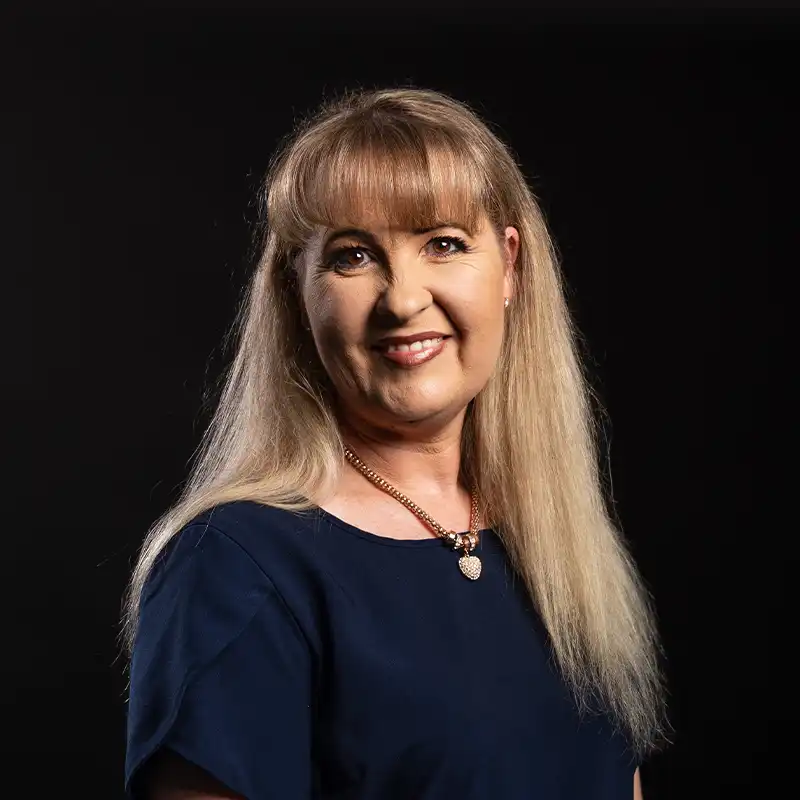
In this episode of Law Talks on 4CRB, Attwood Marshall Lawyers’ Accredited Aged Care Professional and Senior Paralegal Bindy Marshall shares practical insights into the technologies she sees making a real difference for clients every day.
Drawing on her unique role and experience assisting families through aged care transitions, Bindy explains how modern assistive technologies are helping to manage everyday risks without undermining an individual’s autonomy.
One area Bindy spends time talking about is how technology can help people living with dementia or cognitive decline manage everyday routines. Things like remembering medications, appointments, meals, or even drinking enough water can become challenging. She explains that modern fall-detection watches now do much more than call for help in an emergency – they can quietly prompt people throughout the day, helping them stay on track with their routines while also giving families reassurance.
Wandering is another issue that comes up often in her work with families, and it’s one that can be incredibly frightening. Bindy explains how GPS tracking and safe-zone alerts can provide an added layer of protection. Importantly, she explains how these tools can help delay or even avoid more restrictive care arrangements by allowing risks to be managed safely at home.
Medication management is a recurring challenge, particularly for people on lower-level home care packages who don’t have daily clinical support. Bindy talks about monitored dispensers that are available, which alert nurses in real time if a dose is missed. These products can prevent mistakes before they become serious. Importantly, this type of technology can also free up home care funding for other supports, without compromising safety.
The conversation also covers emerging AI-powered sensors at home that can detect falls, changes in movement patterns, illness and even environmental risks such as extreme heat — all without the use of cameras. Bindy explains how this type of technology is often eligible under assistive technology funding through home care packages.
From water-resistant personal alarms for use in the shower to motion-activated night lighting that reduces fall risk during bathroom trips, the episode highlights how small, low-cost solutions can have a significant impact on day-to-day safety for our loved ones.
Bindy also shares how smart home tools like Google Home can remove mobility barriers, and how AI-driven household appliances such as robot vacuum cleaners and lawn mowers can reduce physical strain for older people who still maintain their homes.
Technology is not about replacing human care. Instead, when introduced thoughtfully and one step at a time, it can support independence, protect dignity and significantly improve quality of life.
Robyn: Good morning and welcome to another edition of law talks here on 4CRB. We all know that AI and smart technology are transforming the world around us, but something many people might not realise is just how much these advances are reshaping the aged care space, particularly for those who want to stay at home safely and independently for as long as possible.
Today we’re joined by Attwood Marshall Lawyers Accredited Aged Care Professional and senior paralegal Bindy Marshall. And Bindy’s role is a unique one. She not only helps families navigate complex aged care processes and transitions, but she often steps into the role of attorney herself, and that means she sees firsthand the daily challenges older people face, especially those living alone or dealing with cognitive decline.
Because of this work, Bindy has become very familiar with the practical tools and technologies that genuinely help people stay safe, supported and autonomous.
Now, this isn’t about promoting products, it’s about sharing what Bindy sees really helping clients every day. Today we’re exploring the innovations that are making a real difference.
Bindy, what types of technology are helping people who are cognitively impaired?
Bindy: For many older people, particularly those living with dementia, daily routines can become difficult. So, remembering medications, appointments, meals or even recognising the early signs of a health concern, can be really overwhelming. As attorneys, we’re often looking for ways to support someone who might not be able to monitor those things reliably themselves.
Most people have heard of fall detection watches. They’ve evolved significantly. They don’t just detect falls, they can send reminders for medication, appointments, hydration and even meals.
So, when we link it with a smartphone, they become simple, discrete and a way to prompt action without making someone feel micromanaged. These tools are actually allowing people with a cognitive impairment to continue living at home with a bit more confidence, and they give the family members peace of mind.
Robyn: Yeah, absolutely. And what if the person is prone to wander?
Bindy: Wandering is actually one of the biggest challenges families face. It’s frightening because it can happen unpredictably. Many modern devices include GPS tracking or safe zone features, but if someone goes beyond their usual route or leaves home at an unusual time and a family member gets an alert, that’s quite helpful. And I guess from a legal perspective, knowing that the person has this layer of protection that can delay or even prevent the need for more restrictive care options, because it helps us manage the risks while still honouring their autonomy.
Robyn: Now, Bindy, medication management is essential and missing doses can be dangerous. What are the technologies their to support medication management?
Bindy: Oh gosh, this is a huge issue for many of our clients, especially those on lower level home care packages who aren’t receiving daily nursing visits. So here on the Gold Coast there’s actually a nursing provider who’s developed a benchtop medication dispenser. It syncs with a watch that alerts the person when the medication is due, so a nurse monitors this in real time. So, if medication is missed, someone can intervene quickly. It also prevents double dosing. It can record vital signs like blood pressure and heart rate. This type of technology can free up the home care budgets for other essential services like personal care or social support, without compromising the person’s safety.
Robyn: Yeah, it’s fantastic. Now falls can be a major turning point for someone. What technology can help prevent or detect falls?
Bindy: There are now AI powered sensors that monitor movement in the room. They’re not cameras, but discrete infrared devices. They can distinguish between resting, regular movement and a fall, which is really, it’s amazing. They also pick up patterns like increased coughing, or prolonged activity so that they can notify the care provider. They even monitor the home environment, things like temperature for example, which can be used in critical heat waves when older people may inadvertently put themselves at risk, if they choose not to put the air conditioner on. And how often do we see that?
Robyn: Yeah.
Bindy: So, these systems are typically eligible under assistive technology funding in home care packages, which is great.
Robyn: Yeah, and I imagine gives loved ones and family members a lot of peace of mind. Now, bathing can be another risky time. Can devices be used in wet areas?
Bindy: The positive answer is yes. While many people resist wearing personal alarms, there are water resistant versions for the shower. It can be worn around your neck and they let older adults maintain their independence while ensuring help can be reached if something does go wrong. It’s a simple step, but it can prevent hours spent on the floor after a fall, which is really important.
Robyn: And we hear that so many times over that that’s happened to someone’s loved one. Now how can families check in without being either intrusive or helicopter carers?
Bindy: Yes, it’s a really delicate balance because no one wants to lose their independence. Using devices like the fall detection watchers or GPS monitors allows families to check in quietly without the constant phone calls or drop ins. As attorneys, we’re always mindful of respecting a person’s autonomy. So having the tools that support safety without intruding on dignity is invaluable.
Robyn: Bindy, what other assistive technologies can support daily life?
Bindy: Well, tools like Google Home can really make the world of difference, particularly for people with mobility limitations. They can control lights, air conditioning and calls with voice commands, so we regularly help clients set these systems up because once they’re installed, they remove so many small barriers that can become big safety risks.
Robyn: Now on household chores, they can become harder with age. Are there any household technologies to help with chores?
Bindy: There are some fantastic appliances that use AI to help in the home. Rechargeable robot vacuum cleaners is one that comes to mind and absolutely one of my favourites. They are really effective. They can actually mop and vacuum at the same time. I actually have one of these at my place and they are worth every cent.
Robyn: And what about outside the home, like gardens and lawns, which can be, you know, big areas to maintain. Are there systems to help with these areas?
Bindy: Well, yes, there are actually for some of those still maintaining a garden or lawn, there are robot lawn mowers that are on the market for small blocks. These are really effective and can certainly help when it comes to keeping the lawns down in summer. You know, whilst you relax with a cool glass of lemonade or a cup of tea, the robot gets the job done.
Robyn: I walk past a couple of these each morning on my early morning walk in the neighbourhood.
Bindy: Yes, they are so good. I can’t believe the difference that it makes and they actually do a really good job. I mean, obviously you can’t just pop it into an overgrown jungle and expect it to manicure your lawn. But it will maintain the lawn once it’s been mowed.
Robyn: Now, Bindy, nighttime bathroom trips are a major fall risk. Any supports for this that you can share with us today?
Bindy: Yes, absolutely. We have fabulous lighting technology that’s motion activated. So, if an older person does get up to visit the bathroom in the middle of the night, the lights will come on, usually at half dim to ensure that they can sort of see where they’re going and help try to prevent the falls. Again, it’s a very easy install with a very low upfront cost, so it can make a big difference for anyone wanting to remain at home for as long as possible and independent.
Robyn: For someone who is bed bound, are there any technologies that can improve comfort and safety?
Bindy: Yes, the emergence of smart beds or advanced pressure care mattress is significant. They have thousands of sensors. One of them actually has like 7000 sensors that detect pressure points and encourage repositioning. Reducing the risk of pressure injuries, which is extremely common and very serious, some people might know these as bed sores. That’s what we’re talking about when we talk about pressure injuries.
Look, they can be expensive, but for someone spending long periods in bed, they can be life changing.
Robyn: Yeah, I bet. And last but not least, Bindy, what about for those hard of hearing? Is there more on offer outside of just your traditional hearing devices in today’s day and age?
Bindy: Yes. There is, actually. There’s now a special video phone that looks a lot like a touch screen that the person who is hard at hearing can use. It provides captioned phone calls as well as optional video calls to enable you to read lips and facial expressions.
Yeah, it’s really important. You can rent these devices for as little as $5 a month. It’s really affordable. I can’t believe it. The great thing is that you don’t have to have computer skills to use it. It has personalised contact buttons, different colours, textures, size.
And it’s multilingual, which is really important because we are a multicultural society.
Robyn: Well, Bindy, we’ve covered a lot of different technologies today, which I have to say are all amazing. And for families just starting to explore these technologies, what would you recommend?
Bindy: Look, I would start with a simple conversation. I’d actually ask your loved ones what they find hardest day to day and introduce one tool at a time. Too much technology all at once will feel really overwhelming. So start small. Perhaps start with the robot vacuum cleaner or a simple reminder watch to build from there.
Your home care provider can also help. There are many specialists who can recommend and install the right tools based on the person’s needs, so if you are just starting your journey transitioning into aged care, get some initial advice from an aged care accredited professional because they will help you understand your options. They’ll give you advice on things that you may not otherwise have thought of, and ensure that your loved one has a solid plan in place that protects their best interests.
It’s important to reiterate that technology will not replace human care, but can absolutely support their independence, dignity and safety. It’s really important to know that these tools can make a difference between someone staying at home comfortably or needing to transition to a higher level of care.
Robyn: Well, some great options available there and it seems technology is no longer just about convenience, it’s becoming a genuine lifeline for older Australians who want to stay safe, confident and independent at home. Thanks for joining us today, Bindy.
Bindy: Thanks for having me, Robyn.
Robyn: You’ve been listening to law talks here on 4CRB, which you can hear every Friday morning from 9 o’clock.

Attwood Marshall Lawyers is proud to partner with 4CRB (89.3FM) to deliver educational and informative legal content to the Gold Coast and Tweed community.
Established in 1984, Radio 4CRB is a local community radio station on the Gold Coast that is also a registered charity. Its purpose is to foster community engagement.
Every Friday from 9am (QLD time) on ‘Law Talks’, join one of our experienced lawyers as they discuss legal issues that impact the community.
For over five years, Attwood Marshall Lawyers has collaborated with 4CRB in this important information service. ‘Law Talks’ is an essential part of our contribution and service to the community, sharing knowledge and experience across various legal topics. We believe it is essential to educate the public about their rights and help them navigate an increasingly complicated legal system.