The Queensland Government's Parliamentary Inquiry into Elder Abuse
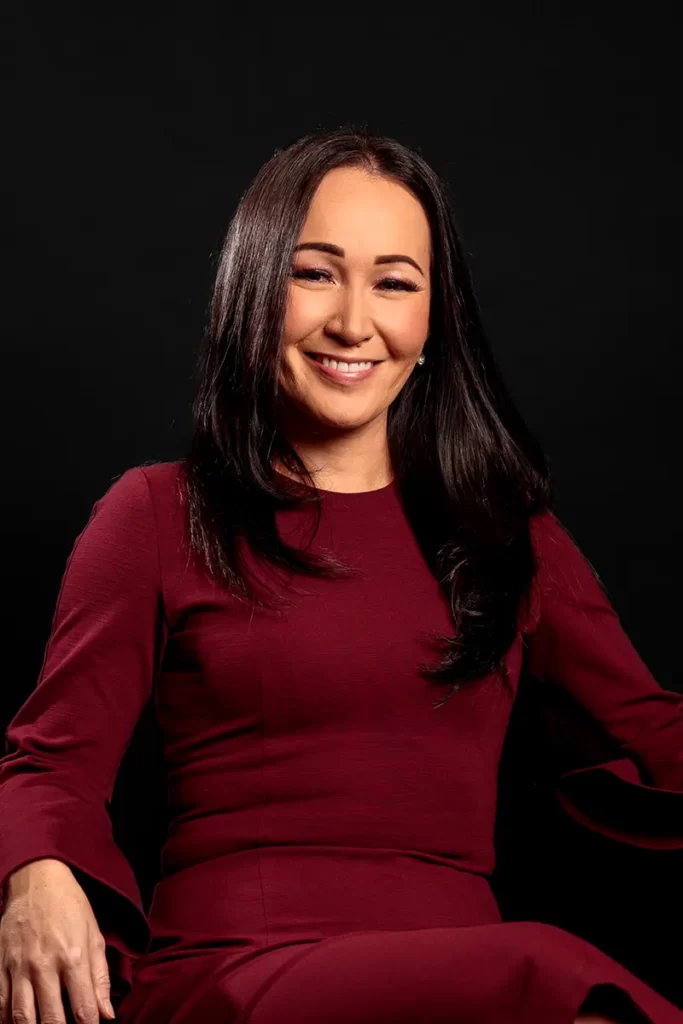
This week on 4CRB’s latest Law Talks episode, Attwood Marshall Lawyers Partner and Accredited Aged Care Professional, Debbie Sage joins Robyn Hyland to discuss the recent announcement by the Queensland Government about its Parliamentary Inquiry into elder abuse.
Elder abuse, often called the silent epidemic, affects one in six older Australians and has been a significant social issue for many years.
In 2022, Debbie attended the LNP State Convention to put forward a policy motion and bring attention to Queensland’s inefficient laws for protecting older Australians from abuse.
Since then, advocacy efforts have grown. Under the Queensland Government’s first hundred-day plan, real action is in progress.
The Parliamentary Inquiry into Elder Abuse in Queensland will investigate the devastating impacts of elder abuse, such as neglect, financial exploitation and psychological and physical abuse.
In this episode, Debbie explains why the probe is necessary, some common scenarios where elder abuse thrives, why elder abuse often goes unreported, and what outcomes the government hopes to achieve from the inquiry.
If you suspect that someone is being abused, the Queensland Elder Abuse Helpline can offer support and guidance. The helpline can be contacted at 1300 651 192.
Robyn: Good morning and welcome to another edition of 4CRB’s law talks. And today, we’re going to be talking about a very important topic, elder abuse, often called the silent epidemic, affects one in six older Australians. Today we will discuss the Queensland government’s recent announcement about its parliamentary inquiry into elder abuse and what it means for vulnerable members of our community, and we have joining us from Attwood Marshall Lawyers Partner and Accredited Aged Care Professional, Debbie Sage, who is a seasoned legal advocate who has campaigned for years for better protections for older Australians. Welcome, Debbie. Lovely to have you this morning.
Debbie: Thanks so much, Robyn. This is such an important topic, I’m so glad we’re talking about this today.
Robyn: Alright. Well, firstly, what can you tell us about the Queensland Government’s probe into elder abuse?
Debbie: So, elder abuse has been a significant issue for many years and the necessary changes have been a long time coming.
Back in 2022, I attended the LNP state convention to put forward a policy motion and bring attention to our inefficient laws for protecting our elderly from abuse in Queensland.
Since then, advocacy efforts have grown. And now, under the government’s first hundred-day plan, we’re starting to see real action. So, the inquiry was announced by the Minister for Families, Seniors and Disability Services in December, and that stated that there was going to be a major probe into elder abuse in Queensland.
It will investigate the devastating impacts of elder abuse, such as neglect, financial exploitation and psychological and physical abuse.
But it’s just not Queensland that we need to focus on this issue. Elder abuse is a national issue, so I’m really hoping to see New South Wales follow suit as well as other states and territories.
Robyn: So why is the probe necessary?
Debbie: It’s necessary because we need to understand and investigate the impacts of elder abuse, including how it can be prevented. With one in six Australians reportedly experiencing some form of elder abuse, it’s showing us that this is an issue that’s impacting a lot of our society.
So, the most reported forms of elder abuse in 2023 and 2024 were psychological and financial abuse. And as part of that report, more than two-thirds of victims stated they had experienced more than one type of abuse. Now, the statistics on elder abuse are shocking. So, the action is long overdue. We have a rapidly ageing, rapidly increasing ageing population, so the issue is only going to go from bad to worse.
Robyn: Yeah. So, what are some of the common scenarios, Debbie of elder abuse that you’ve seen in your work.
Debbie: So, some of the more common forms is the misuse of an enduring power of attorney, especially when they have not been properly drawn up by a solicitor when they’re just blanket forms and there’s no conditions and limitations, things like that.
Family members taking advantage of the older elderly relatives, such as accessing bank accounts for their own benefit, selling assets from under them.
Granny flat agreements that have gone bad, usually because the agreement itself was not protective of nature and was only really put in place to satisfy Centrelink and not to protect the person themselves.
Mistreatment by spouses against their partners who suffer from a cognitive and physical decline.
What else? There’s like adult children mistreating their parents, dipping into bank accounts for their own personal benefit, leaving their parents at the brink of bankruptcy, and even being forced to sell homes and things due to lack of funds to pay creditors.
Psychological abuse is on the rise, such as isolation from other family members and manipulation of those kinds of circumstances.
There’s also a rise of support workers and other types of workers who are in regular contact with the elderly person where they are manipulating and grooming them, in order to obtain a financial benefit from them. There are so many stories that I could share with you. It’s really devastating.
Robyn: Yeah, so Debbie, with one in six Australians affected by other abuse, the true scale is likely even greater given how many of these cases go unreported. Why do you think so many instances of elder abuse remain hidden?
Debbie: Oh, Robyn, elder abuse is such a complex issue because it’s deeply entwined with human emotions and our relationships. You know, many victims experience a profound sense of shame, and in some instances they even feel sorry for the perpetrator or the abuser and they don’t want to see them get into trouble, even though not reporting them is going to talk cause them further harm.
There is also the fear of the retribution. It’s often a significant barrier, too. When the abuser is someone who the victim depends on for care or support or companionship.
In some cases, victims don’t want to jeopardise their relationship with the abuser or see their loved one get into trouble. So, adding to this complexity are issues like diminished capacity, where victims are struggling to recognise or articulate the abuse.
There’s also power dynamics, where the abuser exerts control over them, through intimidation and manipulation.
This combination of emotional, psychological and practical factors just makes it an extremely challenging area for victims to come forward and highlight the need for sensitive, accessible support systems.
Robyn: Yeah, and it seems like it, it just makes it easy for people wanting to exploit the elderly because of these reasons you’ve highlighted. They realise that it potentially will remain hidden.
So, what outcomes does the government hope to achieve from this inquiry?
Debbie: I think the goal is really to shine a light on elder abuse and understand its impacts initially, you know by involving families and advocates and experts, this inquiry is aiming to identify practical ways to reduce harm and better protect the elderly.
And it also seeks to boost community awareness, you know, because prevention starts with education.
Robyn: So, do you foresee this inquiry leading to actionable recommendations, and what steps do you believe are essential for the inquiry?
Debbie: I believe we will see some positive impacts as a result of this inquiry. You know, I’m really hoping to see specific criminalisation of elder abuse. That’s something I’ve been pushing for quite some time. I really would like to see the introduction of harsher penalties for perpetrators and offenders, better systems for reporting abuse and safeguards to protect our most vulnerable community members would be great.
Conversations really need to be had with actions taken to address cultural and systemic issue contributing to elder abuse. You know families, healthcare providers, legal professionals, community groups and the government, we all play a key role in the prevention.
Robyn: Yeah, it’s not a one prong approach and I think bringing those sectors together is crucial. So how can listeners help if they suspect elder abuse in their community?
Debbie: So, if you suspect that someone’s being abused, please contact the Queensland Elder Abuse helpline for guidance. Their number is 1300 651 192. Now the elder abuse helpline is a confidential service for anyone who experiences, witnesses or suspects that a person, older person, is being abused by someone that they know and trust.
It is a source of information, support and referral. And elder abuse thrives in silence. So, break that silence, is the first step to stopping it.
Robyn: Yeah, the elderly do deserve to live their lives free from all these forms of abuse and neglect. And to be protected. They are some of the most vulnerable members of the community. Debbie, thanks for sharing your insights and advice today on this shocking issue.
Debbie: Thanks so much, Robyn.
Robyn: You’ve been listening to law talks here on 4CRB, which you can hear every Friday morning from 9 o’clock.

Attwood Marshall Lawyers is proud to partner with 4CRB (89.3FM) to deliver educational and informative legal content to the Gold Coast and Tweed community.
Established in 1984, Radio 4CRB is a local community radio station on the Gold Coast that is also a registered charity. Its purpose is to foster community engagement.
Every Friday from 9am (QLD time) on ‘Law Talks’, join one of our experienced lawyers as they discuss legal issues that impact the community.
For over five years, Attwood Marshall Lawyers has collaborated with 4CRB in this important information service. ‘Law Talks’ is an essential part of our contribution and service to the community, sharing knowledge and experience across various legal topics. We believe it is essential to educate the public about their rights and help them navigate an increasingly complicated legal system.