Navigating the aged care system as a carer
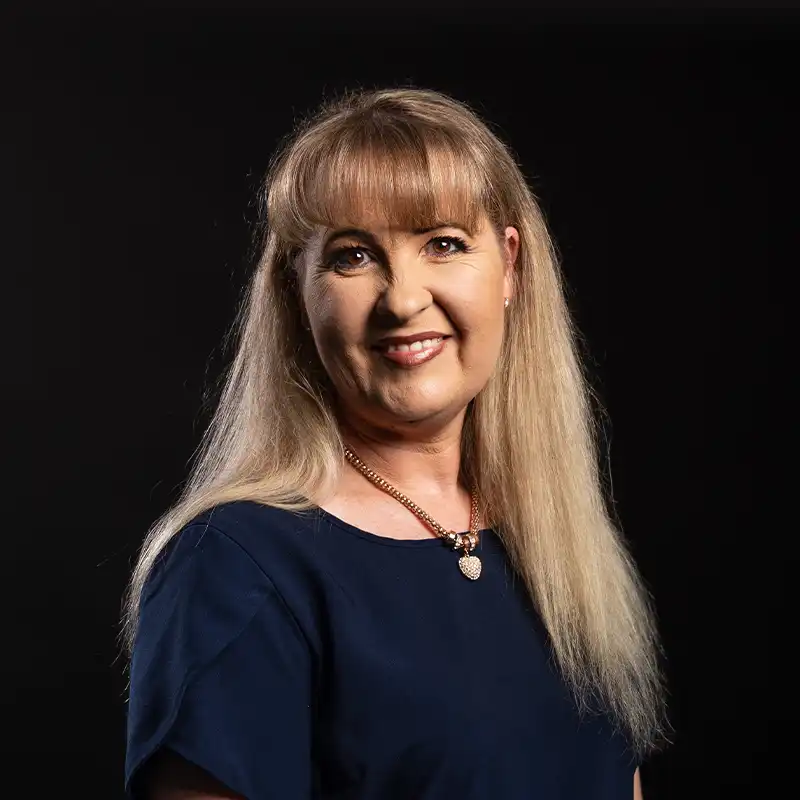
As Australia’s ageing population continues to grow, more families are finding themselves in unfamiliar territory — suddenly stepping into the role of carer for a parent or partner. In this episode of the Brisbane Legal Lowdown on Afternoons with Sofie Formica, Accredited Aged Care Professional and Paralegal Bindy Marshall, joins Sofie Formica to discuss what happens when illness, disability, or cognitive decline changes the person you’ve shared your life with — and how to find the proper support.
Bindy shares heartfelt, practical insights from her work helping families navigate Australia’s complex aged-care system. She explains why so many people struggle with My Aged Care applications, what the difference is between a Residential Accommodation Deposit (RAD), a Daily Accommodation Payment (DAP), and other aged-care jargon, and how carers can access services such as Carer Gateway (1800 422 737) and Wellways (1300 111 400) when they need help.
The discussion also highlights the importance of planning ahead — having an up-to-date Enduring Power of Attorney, Advance Health Directive, and Will in place long before a crisis occurs. Bindy emphasises that these documents ensure your wishes are respected while you’re alive and relieve your loved ones of unnecessary stress during already emotional times.
From understanding carer fatigue to managing sudden health declines and ensuring both the carer and the person receiving care are protected, this conversation sheds light on the emotional, legal, and practical challenges many families face — and the trusted guidance available from an Accredited Aged Care Professional.
Sofie: It’s twenty-five minutes to three on 4BC Afternoons, and it’s time for the Brisbane Legal Lowdown with Attwood Marshall Lawyers. And today is a really important one. The focus is on aged care.
I know you’re going to have questions, if you’d like to send them through 0499 880 882, or you can call through the conversation today on 133 882, because this time of caring for aged parents and this transition that so many families are going through when it’s your partner, whether or not it is you being a carer for someone else. As we get older, the needs change, our health can decline, sometimes it can completely shift the dynamic of a relationship and a family.
So, today we’re exploring what happens when illness, disability or cognitive decline changes the person that you’ve shared your life with, or your parent, and what support is available for those who find themselves in a care role.
Joining us is Accredited Aged Care Professional at Attwood Marshall Lawyers, Paralegal Bindy Marshall. Welcome to the program.
Bindy: Thanks for having me, Sofie.
Sofie: You said as you walked in, this is just at the moment, it seems to be so topical, I think for a couple of reasons, Bindy, one, we know we have an ageing population. Two, we know we’ve got this push for people to stay independent for as long as possible. Three, we know we’ve got issues when it comes to cognitive decline increasing so rapidly and then we’ve got the complication of what the government support looks like on top of all of that. It is a minefield.
Bindy: Absolutely. It’s not just a minefield, but you can imagine, this is the most challenging time in people’s lives. So, you’ve been married for 50 years and all of a sudden you’re thrust into this role of carer.
The whole dynamic of a relationship changes. And I think, you know, when you’re looking at husband and wife and the co-dependency that has been underlying for so many years, you know, he drives the car even though he’s completely cognitively impaired, and then she makes the meals, but she’s crippled with arthritis.
So, he opens the jars too. He drives with her direction, of course, we all know about that. So, we are seeing this layered effect like an onion. We talked about onions earlier, but we are seeing this huge effect and this flow on and the carer stress is unbelievable.
Sofie: And then you take a step back from that and I think another very familiar scenario at the moment is for older, you know what I call us the sandwich generation, where you’re in between the fact that you’ve got adult children navigating the world, you’ve raised them, but then you’ve got parents who are transitioning through that period of time where they can’t really be 100% independent, where they one or both may be having issues and you’re trying to navigate what the next phase of their life is going to look like.
Bindy: That’s right. And it’s so tricky for any family to even find information on how to access services. That’s the one thing we’re finding is quite tricky is that the department have made it so complex, especially this new system that’s coming in. People are scratching their heads and going because we don’t understand, we’ll just battle through on our own.
Sofie: It’s a nightmare. I’m actually going through that. I’ve become, I’m on my mum’s, my aged care so that I can help to coordinate some of that. It feels like they have no clue what they’re doing at the moment. You ring one number. They say you need another number. You have to ring another person. Then you ring that person and then then they’ve got to do another assessment, even though they’ve already been to do an assessment. It’s more than a mess and it’s very difficult to navigate if you are younger and you’ve got the access to telecommunication and technology. Virtually impossible for older people to do themselves.
Bindy: Yes, I couldn’t agree with you more. I have just been through this with my mother and father-in-law and even working in this arena, I’m finding the challenging language around this trying to explain to an older person what a RAD is, what a DAP is, what an MPIR is. All of these things that come with home care. This language, and it is a whole other language around this and unless you know how to navigate it, you’re absolutely right in what you’ve said, which is, where do we go from here?
And that’s why people like myself are around to try and hold the hands of our nation to help them get across the aged care line. Because it’s too tricky to do on your own.
Sofie: So, we’ve spoken so many times over the last few months with your colleagues about things like wills and estate planning and this question then also comes up of what are the other things that you should try to do in advance? Nobody knows what tomorrow holds, and none of us do. And nobody wants to plan for the end. But you do with the will quite happily. I think what we’re doing less, though, and what we’re seeing a gap in here is people having a real think about what they want the last ten, twenty years of their life to look like long before they get to that last ten or twenty years. It’s just that you’re never sure when that’s going to start.
Bindy: Yes, I couldn’t agree with you more. We are seeing the lack of planning more and more. When I go and speak to a seniors group and say, raise your hands for those who have an enduring power of attorney, only half the room goes up.
That’s alarming to me because that document speaks for you while you’re alive. It’s the most essential document. As I said before, before we went to air, the will speaks for you when toes up. When you’re pushing up daisies, you’re not going to worry about it.
But you need someone who you can trust to look after your affairs and follow through with your wishes while you’re alive. That’s why that enduring power of attorney and advanced healthcare directive are essential. And you need to keep them updated every couple of years because our health and our lifestyle changes constantly.
Sofie: So, when do you advise people to have them put into place? How early in life should you make sure you’ve then got three documents, essentially, you need to have a well sorted, you need to have your enduring power of attorney sorted and an advanced health directive. Three different things.
Bindy: Yep. Absolutely. There is no age to me, there is no age. My daughter is 16 and a half and as soon as she hits 18, we’ll be putting those documents in place for her to make sure she’s covered for everything. Because I love it when people our age who are at those sandwich generation say oh no, we’ve got plenty of time to worry about that, but you don’t know what your future holds. I could walk out of here and be hit by a bus tomorrow. But at least. I know that I’ve got my documents in place.
Sofie: Ann would like a question answered. She says, Hi Sofie, my elderly father has an enduring power of attorney. It covers financial and health matters. There is no advanced health directive. And then she goes on to say, Dad recently suffered a heart failure has cognitive decline and now needs care. Will the EPOA be adequate to allow me to organise that?
Bindy: So, the first thing she would need to do is obtain a letter of capacity from the treating doctor to enable her to activate the power of attorney. It might be an immediate action already, but that letter of capacity is going to help her because she’s going to need to take that document to the bank, she’s going to need to register herself with the bank and for any future care going forward. I don’t know if this gentleman’s still at home or if he is transitioning into care.
Sofie: She said now needs care. So maybe.
Bindy: Yeah. So, she definitely needs, that’s the first step for that listener is to ensure that she obtains a letter of capacity from the treating medical professional.
Sofie: You know what other challenges do you see if someone’s partner or parent suddenly needs support, you know, something happens, whether it’s a sharp decline cognitively or some sort of health issue, and they have to step quickly into that caring role?
Bindy: And this does happen very, very quickly. So normally, if something happens, they go to hospital. We’ve got this scenario with a gentleman at the moment where it’s happened very quickly. Bless his heart. He’s 97 years old and he’s lived all of his life and outlived his friends and family. He’s one of 11. So, this gentleman is now in hospital and is seeking next steps. He’s starting to decline, so therefore the supports that are around him, which is now us, we’re his attorneys we jump into that role and we will look after him. His wishes are to go back home. He wants to age in place at home and as he should. And have the dignity to age in place and make sure that he can live his best life.
If that means he’s lonely. Which is what he’s expressed to us. Well, then we will bring in a volunteer carer or volunteer friend, companion as they call them, that’s free of charge to help him and support him. He’s also a DVA recipient, so it’s important to access the services through DVA as well, which means he’s entitled to domestic assistance and shopping or transport. Those things can help prop up a home care package as well.
Sofie: And then what happens if the carer themselves finds themselves in a situation where they’re unwell and there must be some legal or practical steps that families can then take to make sure that both are supported?
Bindy: 100%. We often see carers who will not call an ambulance because they are too concerned about looking after their loved ones, so they compromise their own health.
So, what they need to do is seek if they’ve got a pen and paper, write this number down. This is the Carer Gateway or Wellways. So, the number is 1800 422 737.
And look, emergencies happen, and you may require assistance quite urgently. So those at Carer Gateway and Wellways will come and collect your loved one or they’ll meet them at the hospital.
Still call 000 and organise yourself an ambulance. And the ambos are quite, they know what to do in these circumstances. They’ll put the one with the cognitive impairment in the vehicle and they’ll take them to hospital with them.
Sofie: Bindy, is the impediment here cost? I mean, I’m sorry to tell you and I mean no disrespect, but people think lawyers and they just see dollars and they worry that it’s going to be an expensive process, and it may be an endless process if you know there’s years of this kind of assistance that’s needed. What would you say to that?
Bindy: Well, sometimes people don’t have family or friends, and they prefer to have a solicitor look after their affairs, and that’s where someone like myself is employed to work alongside the legal practice director who’s assigned as the enduring power of attorney. Look, we bill in six-minute increments, so it’s around $20 for me to act. So, it’s not, in the big scheme of things, it is not as costly as it would be if you had someone like the Public Trustee involved.
Sofie: Interesting that you put it that way and I just think that even from talking to you and hearing about even that service that you just talked about and if anyone wants that number, you can always give us a call on 133 882 about this network of support that is available that people may not even be completely aware of, because when you’re starting in this process, knowing where to go and what questions to ask can be the most difficult thing.
Bindy: Oh, 100% it can. And I think you need to start at ground zero, like everything. We start with my aged care. Get themselves registered with my aged care. Make sure that adequate supports are put in place. We all know that my aged care at the moment has a massive wait list for home care. But depending on the priority of the person, sometimes they can push those packages through even though there’s a massive wait list in four weeks for urgent priorities.
Sofie: Yeah, it’s interesting you say that. Look, I know that this is not an easy fix and they’re dealing with a lot of people. I just really worry that they’ve walked down the same path that we’ve seen be such a huge failure with NDIS because there are so many external providers now, you know there is not a body of people who is a who is one source for my aged care. It still is all of these external providers that you need to go through who then go back and then you get a, you know, you can do this for that person and then that for that person and the cost is mind blowing.
Bindy: Well, to register with my aged care, it doesn’t cost you anything.
So that’s the first thing. I think it’s time, time is the problem, and the time is our currency right now that we’re running out of, with people older, vulnerable people who have an emergency situation, they don’t have 12 months to wait. They need that package now.
Sofie: And that’s the frustration. Bindy Marshall, thank you so much for joining us this afternoon. Bindy from Attwood Marshall Lawyers. She is their Accredited Aged Care Professional and also a paralegal. You can always reach out to them if you have more questions that are specific to your needs. Appreciate your time.
Bindy: Thanks, Sofie.

Attwood Marshall Lawyers is proud to partner with 4BC Brisbane to bring trusted legal insights to listeners across South East Queensland.
4BC (882AM) has been on air since 1930 and is one of Brisbane’s longest-running and most respected commercial talk radio stations. It’s home to some of the city’s most recognised voices and a hub for meaningful conversation.
As part of Afternoons with Sofie Formica, our new weekly segment – Brisbane’s Legal Lowdown with Attwood Marshall Lawyers – airs live every Wednesday at 2:35pm (QLD time). Each week, one of our experienced lawyers joins Sofie to discuss topical legal issues, answer listener questions, and share real-life stories that resonate with the community.
This exciting partnership allows us to continue our mission of educating the public about their rights and responsibilities, and to help people better understand the legal system through open and accessible conversation.