Why putting off your estate plan can leave your family paying the price
Many people put off estate planning, telling themselves they’ll “get around to it one day.” But as this episode of Law Talks reveals, doing nothing is still a decision – and it’s often one that leaves loved ones facing stress, delays and unintended outcomes.
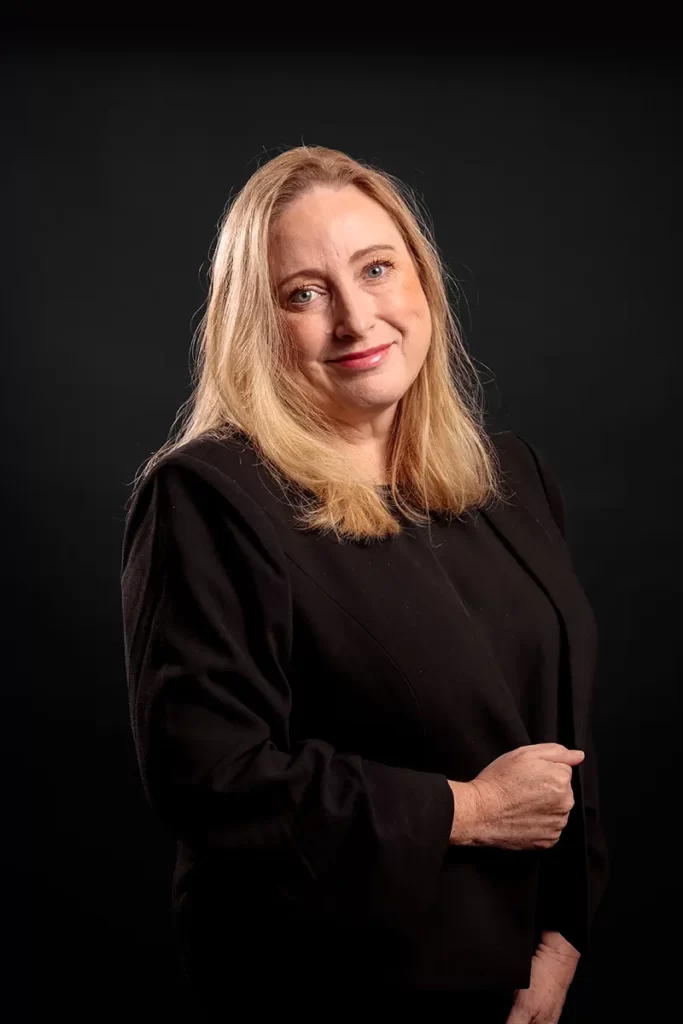
In this episode of Law Talks on 4CRB (89.3FM), Attwood Marshall Lawyers Wills and Estates Senior Associate Natalie Comerford explains what really happens when someone dies without a Will, and why relying on default government rules can lead to results that don’t reflect personal relationships, family history or your true intentions.
Natalie shares real-life examples of how intestacy laws work in Queensland, including situations where estranged relatives inherit simply because of biology, not the relationship they sustained with their child. She also discusses why estate planning isn’t just for the wealthy — and how even modest estates can become complicated and costly when no plan is in place.
The episode explores the risks of DIY Will kits, the consequences of losing legal capacity without proper documents in place, and why delaying estate planning can ultimately leave you unable to make any decisions.
Importantly, Natalie explains that estate planning isn’t about paperwork — it’s about protecting the people you care about from unnecessary uncertainty, conflict and emotional strain.
If you’ve ever thought estate planning can wait, this discussion highlights why taking action sooner rather than later can make all the difference for the family you leave behind.
Robyn: Good morning and welcome to another edition of Law Talks here on 4CRB. Well, most of us have thought it at some point, I’ll get around to my will one day. Life gets busy, nothing feels urgent and estate planning slips down the list of priorities. But what many people don’t realise is that doing nothing is still a decision. And it’s often the family left behind who pays the price.
Today we’re talking about what can go wrong when estate planning is put off and why a plan in place is about protecting the people you care about most.
We’re joined today by Attwood Marshall Lawyers, Wills and Estates Senior Associate, Natalie Comerford. Natalie, thanks for joining us this morning.
Natalie: Thanks for having me, Robyn.
Robyn: Well, Natalie, we often hear people say, I’ll get around to my will one day. From your experience, what does doing nothing actually mean when it comes to estate planning?
Natalie: When people say, I’ll get around to doing my will one day, what they’re actually saying is, I’m comfortable letting the government decide for me. And that’s what doing nothing means in estate planning. You just leave an administrative mess for your loved ones to navigate and clean up, and you just get the government’s default plan instead.
So in all states in Australia, if you die without a will, strict intestacy rules apply and they differ according to what state you live in. In Queensland, for example, we look towards the Succession Act 1981, which sets out specific rules which provide for distribution depending on family dynamics.
Robyn: So, Natalie, can you explain to our listeners what these intestacy rules look like in practice?
Natalie: Sure. So first it depends on the family situation of the deceased and the state in which they were living as the rules of intestacy are state specific.
So, say, for example, in Queensland, if the deceased is a single person with no spouse or children, then in this event, if the deceased is survived by their parents, then the parents will receive the estate equally.
So, I recall a case that I read recently that involved a young adult who was brought up by his mother and never even met his biological father. His biological father had never provided any support for this young man or had anything to do with him.
So this young man passed away and it was his mother that arranged the funeral and mourned alone for her lost son.
So because he passed away intestate, his estate was distributed equally to both surviving parents, even though the biological father had never had a relationship with his son. Due to biology, this biological father received half of the inheritance when the mother was the one who struggled for years as a single parent, bringing up her son alone.
So this to me is a good example of how things can go terribly wrong.
Robyn: Absolutely.
Natalie: A lot of people think that young people don’t need a will, but that what they fail to remember is that young people these days always have superannuation. And a part of that super, there are usually death benefits attached to it. So, and you know, these death benefits can reach quite significant amounts. So it’s important to have an estate plan in place. And I don’t want to scare our listeners because there are legal remedies that can be sought, but these cost money and take time.
Robyn: Yes.
Natalie: A pathway you’re better avoiding.
Robyn: A lot of people assume estate planning is only for the wealthy. Is that one of the biggest misconceptions that you see?
Natalie: Yes, that is definitely one of the biggest misconceptions and it stops a lot of everyday Australians from putting even the most basic protections in place.
Estate planning isn’t about how much money you have. It’s about who’s going to make the decisions for you and who is going to be left dealing with the consequences if you don’t.
The moment you own anything, a house, superannuation, a business interest, shares, or even if you have children, you need an estate plan. For most people of modest means, the impact of doing nothing can actually be worse. If there’s no will, families are often forced into court just to access bank accounts, deal with superannuation, or, you know, sell the family home.
The legal costs and delays can quickly eat into an estate that might not be large to begin with. So I also see this with young families as well. Most people assume they don’t have enough assets to worry about estate planning, but they haven’t nominated guardians for their children or appointed attorneys to make decisions if something goes wrong.
That leaves incredibly important decisions to courts and tribunals rather than to the people they trust.
So estate planning isn’t a luxury for the wealthy. It’s about protecting your family from uncertainty, stress and conflict, regardless of the size of your bank balance.
Robyn: Natalie, if someone passes away without a will, what does that really look like for the family left behind? What are the legal issues that have to be dealt with?
Natalie: When someone dies without a will in Queensland, what the family experience is usually confusion, delay and a lot more stress than they expected.
There’s a common assumption that everything just automatically goes to the next of kin, but that’s not how it works.
The first reality is that no one has authority to act straight away. Bank accounts can be frozen, property can’t be sold, superannuation claims are often delayed.
The family has to apply to the Supreme Court of Queensland or the state in which they reside for what we call letters of administration just to be legally allowed to act with the estate.
That court process takes time and money. There are filing fees, advertising requirements, and strict evidence rules about who’s entitled under the intestacy laws.
If there’s any complexity, for example, a blended family, children from different relationships, or even dispute about who qualifies as a spouse, the process can drag on for months or even years.
During that time, practical problems pile up. Mortgage payments still need to be made, rates, insurance fees are still due, and the family often have to fund these expenses personally while waiting for the court process to finish.
And even once the estate is finally administered, the outcome is rarely what the deceased would have wanted. Queensland intestacy rules apply a fixed formula. They don’t account for relationships, any promises made, or family history.
So families are often left not just grieving, but dealing with conflict in a sense that things didn’t end the way they should have.
Robyn: So can you share an example of a situation where doing nothing or taking shortcuts like not receiving legal advice in regards to estate planning caused serious problems for a family?
Natalie: Yes, and unfortunately this happens more often than people realise. One very well-known Australian example is Peter Brock.
Robyn: Oh yes.
Natalie: And despite being incredibly successful, he relied on a DIY will kit rather than getting proper legal advice. And when he passed away in 2006, the document was ultimately found to be invalid. The result was that his estate was not distributed according to what he intended. Instead, the family became involved in lengthy and costly court proceedings and the estate was ultimately dealt with under intestacy laws.
So that caused significant stress, public dispute and long-term damage to family relationships all at a time that the family should have been allowed to grieve privately.
So what that example shows is that doing nothing or even taking shortcuts doesn’t just create a technical legal problem. It creates emotional and financial fallout for the people left behind. A will kit might look simple enough, but it doesn’t deal with complex family structures, asset ownership or even legal formalities that must be met for a will to be valid.
Robyn: And Natalie, what happens if a person loses capacity and hasn’t put the right documents in place?
Natalie: Okay, so estate planning isn’t just about what happens after someone passes away. One of the biggest issues we see is what happens when someone loses capacity and hasn’t put the right documents in place.
So, in Queensland, if a person can no longer make their own decisions and hasn’t appointed and enduring power of attorney, no one automatically has the legal authority to manage their finances or make health decisions for them. That means family members have to apply to the Queensland Civil Administrative Tribunal or in New South Wales, it’s, you know, the New South Wales Civil Administrative Tribunal, to be appointed as an administrator or a guardian.
So that process takes time, costs money and adds enormous stress at a time when the family’s already dealing with enough.
Bank accounts frozen, bills can’t be paid, and urgent medical or care decisions may be delayed.
So families are often caught off guard and relationships can become strained just trying to navigate the legal requirements.
Robyn: So Natalie, why do you think, given everything we’ve just spoken about, why do you think so many people put estate planning off even when they know it’s important?
Natalie: Look, my thoughts on the matter is that many Australians don’t realise the importance of estate planning. They’re just simply unaware. Even for those who are aware, there are a few common reasons it gets put off. Cost is a big one. People assume a lawyer is expensive and some try to save money with DIY kits or internet templates.
In reality, estate planning or professional estate planning, it’s affordable and can save huge amounts of money and stress for the family later down the track.
People worry about being asked difficult questions about family, finance or health. They can also feel intimidated as it’s often the first time they’re visiting a law firm and sometimes it’s just easier to avoid the conversation. One of the most common comments I get though after an appointment is usually, wow, that was so easy. I don’t know why I put it off for so long.
Robyn: Is there ever really a right time to get your estate planning sorted?
Natalie: As soon as you turn 18 is best practice. However, if that boat’s sailed, then just as soon as possible. If you’re going to put it off, I would urge you to consider the risks you’re taking. Don’t leave it until you’re 70 or 80 years old or the doctor suggested that you get your affairs in order. A lot of the time it can be too late then. And this is one of the worst estate planning issues we see, and it’s really hard turning people away because they failed to attend to their affairs sooner.
To be able to put these documents in place, you need to demonstrate legal capacity, which is different to medical capacity. So the tests for legal capacity are different for each document, and the benchmark in some cases can be high. Unfortunately, if you leave it too long, then you can lose the opportunity to put a will or an enduring power of attorney in place.
Robyn: So, for listeners who are thinking, I really should do something about this, what’s the simplest first step that they can take?
Natalie: A lot of law firms offer an obligation free 30-minute appointment to help you understand what documents you will need for your circumstances. And just make sure the firm you’ve chosen has specialists in estate planning. Law is a very huge arena and we cannot be across all areas of law effectively. You really want to talk to someone who practices exclusively in estate planning and knows their stuff.
Robyn: Yeah. Well, Natalie, it’s clear that estate planning isn’t just about paperwork. It’s about protecting the people we love from unnecessary stress, cost and conflict. Putting a plan in place now can make an enormous difference later. Thank you for sharing such valuable insights with us today.
Natalie: Thank you for having me, Robyn.
Robyn: You’ve been listening to Law Talks here on 4CRB, which you can hear every Friday morning from 9 o’clock.

Attwood Marshall Lawyers is proud to partner with 4CRB (89.3FM) to deliver educational and informative legal content to the Gold Coast and Tweed community.
Established in 1984, Radio 4CRB is a local community radio station on the Gold Coast that is also a registered charity. Its purpose is to foster community engagement.
Every Friday from 9am (QLD time) on ‘Law Talks’, join one of our experienced lawyers as they discuss legal issues that impact the community.
For over five years, Attwood Marshall Lawyers has collaborated with 4CRB in this important information service. ‘Law Talks’ is an essential part of our contribution and service to the community, sharing knowledge and experience across various legal topics. We believe it is essential to educate the public about their rights and help them navigate an increasingly complicated legal system.