Why relying on family goodwill isn't a legal plan – every parent needs an Enduring Power of Attorney
Many parents believe their children will simply “work it out” if something happens to them. It’s a comforting thought, but as this episode of Law Talks explains, good intentions alone are not enough when someone loses the capacity to make decisions.
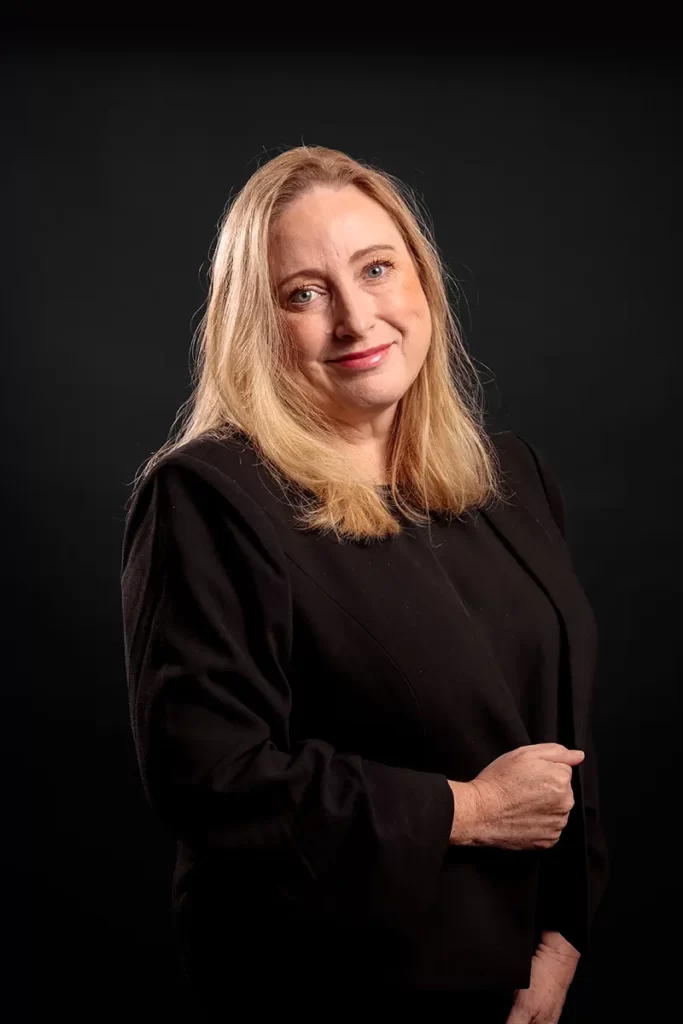
In this segment, 4CRB host Robyn Hyland speaks with Attwood Marshall Lawyers’ Wills and Estates Senior Associate Natalie Comerford about the realities families face when there is no clear legal authority in place.
The discussion centres on enduring powers of attorney, why they are essential, and how disputes can arise when planning has been left to chance.
Natalie explains that without a properly prepared enduring power of attorney, adult children cannot automatically step in to make financial, medical, or lifestyle decisions. Even when a document exists, conflict can still arise if the wrong people are appointed or the instructions are unclear.
Family disagreements are more common than many people expect. Each child may have a different relationship with the parent, different priorities, or different interpretations of what the parent would have wanted. When these disagreements cannot be resolved, the matter can end up before a tribunal, where decision-making power may be removed from the family entirely and handed to an independent authority such as the Public Trustee or Public Guardian.
While tribunals are designed to be accessible, families can still face legal fees and significant emotional strain if they are forced to pursue this route. What begins as a simple assumption that “the kids will sort it out” can quickly become a complex and expensive legal process.
Natalie outlines practical steps to reduce the risk of conflict. These include carefully choosing the right attorney, considering personality, location, and communication styles, seeking professional legal advice, having open conversations with family members, and reviewing documents regularly as your circumstances change.
An enduring power of attorney is one of the most important legal documents a person can put in place. When it is properly prepared, it provides clarity, authority, and guidance at the very moment it is needed most. Without it, families may find themselves navigating conflict and costly legal proceedings at the worst possible time.
Robyn: Good morning and welcome to another edition of Law Talks here on 4CRB. Well, many parents say, I trust my kids, they’ll work it out when the time comes.
It sounds reasonable and for most families it comes from a place of love and confidence. But when illness or incapacity strikes, decisions about money, healthcare and living arrangements can quickly become complicated. And that’s when the law often steps in.
Today, we’re talking about why good intentions aren’t always enough, how enduring powers of attorney work, and what happens when families don’t agree.
We’re joined by Attwood Marshall Lawyers, Wills and Estates Senior Associate, Natalie Comerford. Thanks for joining us this morning.
Natalie: Thanks for having me, Robyn.
Robyn: Well, Natalie, many parents say, I trust my kids, they’ll work it out. From your experience, however, why is that such a common belief?
Natalie: Firstly, if a person doesn’t have an enduring power of attorney in place, those kids will not be able to just work it out because they won’t have the legal power supporting them.
If they do have an enduring power of attorney in place, a lot of families will be able to work things out, but there are just as many that can’t. And this is where issues arise and it all comes down to the appointment in place.
So, parents naturally want to believe the best in their children. They assume that everyone will act reasonably, communicate openly and make decisions in the best interest of the family. But in reality, that assumption often doesn’t hold up. From my experience, those with issues simply do not work it out and this is where things become difficult.
When making an enduring power of attorney in any state, there are many factors that have to be considered. Family dynamics is essential. For example, appointing two children who don’t speak with the hope that they’ll work it out is just not sensible and it will only end in both children being removed from the role.
So, it’s a nice thought that they’ll come together if something were to happen, but in reality this can’t be relied upon.
Sometimes it’s about geographical location of the attorney’s residence. Appointing children that live in different countries and, you know, maybe even different time zones and hoping they’ll just work it out puts them in a very difficult position. I mean, we have technology that assists us these days, but a lot of an attorney’s work has to be in person.
So these are very important legal roles that we’re talking about that carry a significant amount of power. So the roles require very careful consideration.
Robyn: Natalie, in reality, how often do families actually agree once difficult decisions need to be made for a loved one who has lost capacity to make decisions for themselves?
Natalie: Honestly, it’s less common that you might think. Families often disagree when a loved one loses capacity because each person has a different perspective, different priorities or personal relationships with the person who’s lost capacity.
It can be a stressful time. So what seems obvious to one child may feel unfair to another. Even families that are normally close can experience misunderstandings and conflict when stress and responsibility are added to the mix.
During our appointments, we stress test a client’s wishes to ensure they’re going to be practical and not end up in front of a tribunal.
Robyn: So before we go further, can you explain in simple terms what an enduring power of attorney is?
Natalie: Of course, an enduring power of attorney or EPOA for short, is a legal document whereby someone, being the principal, appoints one or more people to act and make decisions on their behalf if they lose capacity and are unable to make those decisions themselves.
There are two types. So you’ve got a financial component, and you’ve got a personal and health component to the document.
So the key word is enduring because the authority continues even after the person can no longer make decisions for themselves. In New South Wales, we have two documents that serve the same purpose. And they’re called the enduring power of attorney, which covers financial matters, and an appointment of enduring guardian that covers personal and health matters.
So essentially, what we’re talking about here is a legal tool that allows someone you trust to step in and manage your affairs. But it also comes with responsibilities and risks, which is why it needs to be set up properly.
Robyn: Natalie, what typically triggers disputes between family members once someone loses capacity?
Natalie: Disputes often arise when responsibilities are unclear or when family members interpret the principles’ intentions differently. For example, disagreements can occur over how money is spent, which medical treatments should be pursued, or how assets are managed. Conflict can escalate if some family members feel excluded from decisions, or if the appointed attorney is making choices others disagree with.
So sometimes disputes aren’t about ill intent at all. They’re about miscommunication, assumptions or competing interpretations of what the principal would have wanted.
Robyn: And at what point does the law step in and remove decision making from the family altogether?
Natalie: In Queensland, if a dispute can’t be resolved or if the attorney isn’t acting properly, the matter can be taken to the Queensland Civil and Administrative Tribunal, which we call QCAT for short, or if you’re in New South Wales, NCAT.
So that’s the authority that deals with such matters. The law can step in and remove decision-making from the appointed person and assign it to an independent decision-maker. That might happen if there’s evidence of conflict, mismanagement of the person’s affairs, or if the attorney isn’t acting in the best interest of the person who’s lost capacity.
So it’s not uncommon these days in matters of dispute for a tribunal to make a financial administration order appointing the public trustee or guardianship order in favour of the adult guardian if families can’t simply agree.
So this is why it’s so important to seek legal advice. An estate planning lawyer is going to have the skill to be able to clearly articulate your wishes and directions and their knowledge of cases will be able to support your decision making to give you the best outcome.
Robyn: People are often shocked to learn there’s a financial cost when these disputes escalate. What sort of costs are families exposed to when matters end up before a tribunal or a court?
Natalie: It is very surprising for people to learn that a family dispute doesn’t just come with an emotional toll. They can carry very real financial costs as well. So once a matter escalates to a tribunal or court, families may be exposed to legal fees, filing and hearing fees, expert reports might be required such as medical or financial evidence.
Self-representation is always possible and it’s encouraged at the tribunal level, but there are still hidden costs in time, stress and the risk of making procedural or evidentiary mistakes that can seriously affect the outcome.
Robyn: Is the issue always about choosing the wrong person or is it sometimes about not giving clear enough guidance in the document?
Natalie: There’s often not one single reason we can pinpoint in relation to things going wrong in this area. There are so many variables when it comes to enduring powers of attorney. And when you throw in varying family dynamics, so many things can go wrong.
In some cases, the wrong person has been chosen to act as an attorney and they’re acting unethically, in which case they need to be removed.
This is a good example of, people appointing based on emotion and expectations, such as the feeling that they need to appoint the oldest child, even if the oldest child might be the wrong person to appoint because they’ve done some shady, you know, dealings in the past.
It can also be about clarity. Even the right person can face challenges if the document doesn’t clearly outline the principal’s intentions, limitations or priorities. Providing guidance about how decisions should be made can prevent a lot of misunderstandings.
So people generally don’t know the law. They think by filling in a form, they’re covered. What they fail to read or simply ignore is that these forms come with warnings to seek legal advice. The legal advice highlights where the law is deficient provides solutions to ensure that the document will do its job effectively when it’s required.
Robyn: So what practical steps can people take when putting an enduring power of attorney in place to reduce the risk of disagreement later on?
Natalie: So firstly, choose the right person or people and choose them carefully. So consider not just trust, but their ability to handle responsibilities, communicate effectively, manage potential conflicts, and of course, their geographical location.
Seek professional advice. This is where legal advice is essential and well worth the cost. A lawyer’s got the ability to articulate your wishes effectively and to ensure that there’s no disputes later on.
Have conversations with family members about your choices to reduce surprises and misunderstandings later. And ultimately, a regular review. Family circumstances, health and relationships change over time. So make sure your enduring power of attorney reflects current realities.
Robyn: If there’s one message you’d want listeners to take away about planning ahead, what would it be?
Natalie: Planning ahead is about protecting both your loved ones and your legacy. Good intentions aren’t enough on their own. Without careful planning, clear guidance and open communication, even well-meaning decisions can lead to confusion or legal disputes after you’ve lost capacity to make your own decisions.
By thinking ahead, putting the right documents in place and explaining your intentions to your family, you give your loved one’s certainty, reduce the risk of disagreement and help preserve relationships.
Robyn: Natalie, thank you for such an important conversation today. It’s clear that trusting your family isn’t enough on its own. The real protection comes from having the right legal documents in place and setting them up properly. Thanks for your time today.
Natalie: Thanks for having me.
Robyn: You’ve been listening to law talks here on 4CRB, which you can hear every Friday morning from 9 o’clock.

Attwood Marshall Lawyers is proud to partner with 4CRB (89.3FM) to deliver educational and informative legal content to the Gold Coast and Tweed community.
Established in 1984, Radio 4CRB is a local community radio station on the Gold Coast that is also a registered charity. Its purpose is to foster community engagement.
Every Friday from 9am (QLD time) on ‘Law Talks’, join one of our experienced lawyers as they discuss legal issues that impact the community.
For over five years, Attwood Marshall Lawyers has collaborated with 4CRB in this important information service. ‘Law Talks’ is an essential part of our contribution and service to the community, sharing knowledge and experience across various legal topics. We believe it is essential to educate the public about their rights and help them navigate an increasingly complicated legal system.